
After completing the sequencing work below, it struck me that the seven images together could present themselves as a metaphor for this type of crime. There is a metaphorical step into the unknown, a position where the fate is sealed (or not) and then a move forward to the finality and destruction.
Selecting the images to include was quite straightforward as they were the ones that triggered my (current) memory of the original photographs.




I have decided to present these images in a photo-book and looking at sequencing ,
in Understanding Photobooks (2017) Colberg
“a book has a beginning and an end”
” The task of the sequence, of the order is to take the viewer from the beginning to the end in a way that makes sense”
I have spent considerable time considering the correct sequence in which to display the final images. There appear to be two different means by which I could decide it: the formal Colberg method and the less formal demands of the artistic intent. I have concluded I can use both methods to good artistic effect.
The first image is off the path leading into the woods. I know that the path led the victim to his/her death, but in the same way, the image leads the uninformed viewer into my sequence and makes an enticing start.
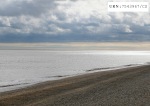
The next two images, the beach and the field are also inviting places in which to loiter. It is perhaps less clear in which order these two images should fall. Their similar skies complement one another other but the diagonal line of the beach leads you to the field. I was keen that the sequence did not suggest to the viewer that the woodland path led to the field.
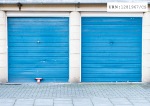
So the first three images in the sequence lead the uninformed viewer in and flow along smoothly. But the ‘squareness’ and ‘blueness’ of the image of the garage doors stop this flow in its tracks. Something has happened – something hidden away that the viewer cannot avoid or explain and does not harmonise with what has gone before.
The next two images, the car with an open door and the damaged windscreen begin to suggest the consequences of what has happened; something is missing or wrong. The flow of the sequence has restarted but is no longer something to be enjoyed. The uninformed viewer is disoriented.
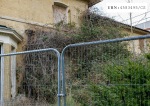
The final image of the derelict building represents something that is broken and cannot be reconstructed – the final step in the sequence beyond which there is nothing.
So in selecting this sequence I have used the Colberg method to accelerate the uninformed viewer towards the central unexpected and unsettling event and then on to explore the damage and destruction it caused, until finally there is nowhere left to go.
The sequence as a whole has become a metaphor for what each of the individual events within it represented.
Final Sequencing Padlet Link




Although I don’t intend to have the images sitting alongside each other in the book, I decided to compare the images that will come before and after each other.
-
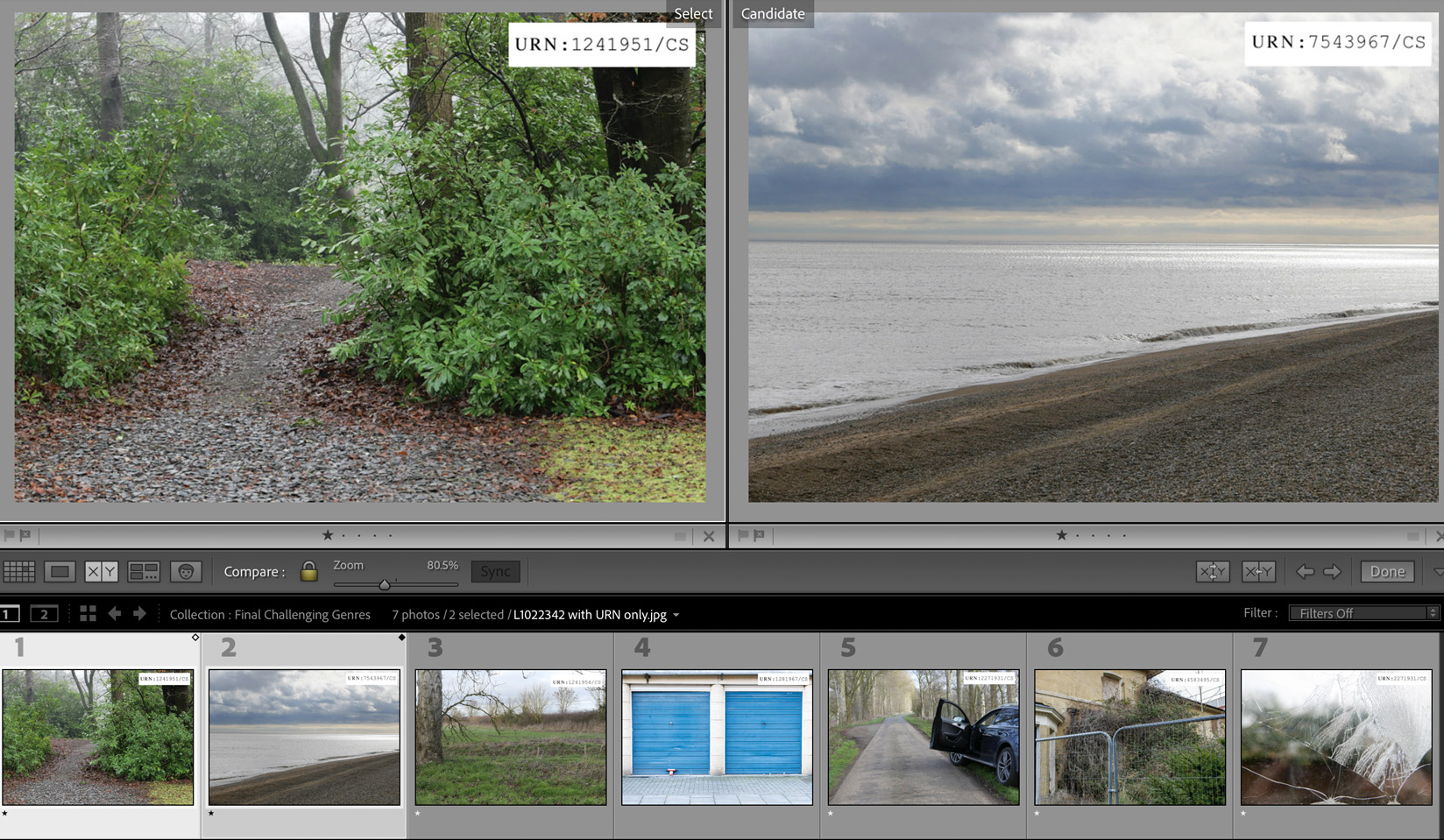
- These sit well together and take the viewer left to right into the next image
-

- The tree stops the eye from moving backwards and gives space to review the scene
-

- The sudden blue and angular shape acts as a punctum and a place where the viewer might pause before moving forward. This could be a metaphor for the decision to move forward or return.
-

- The countryside either side of the urban garage makes these 3 images more interesting and unusual.
-

- The colours and tones of these two images make them sit well together. They also suggest a degree of abandonment and finality.
-
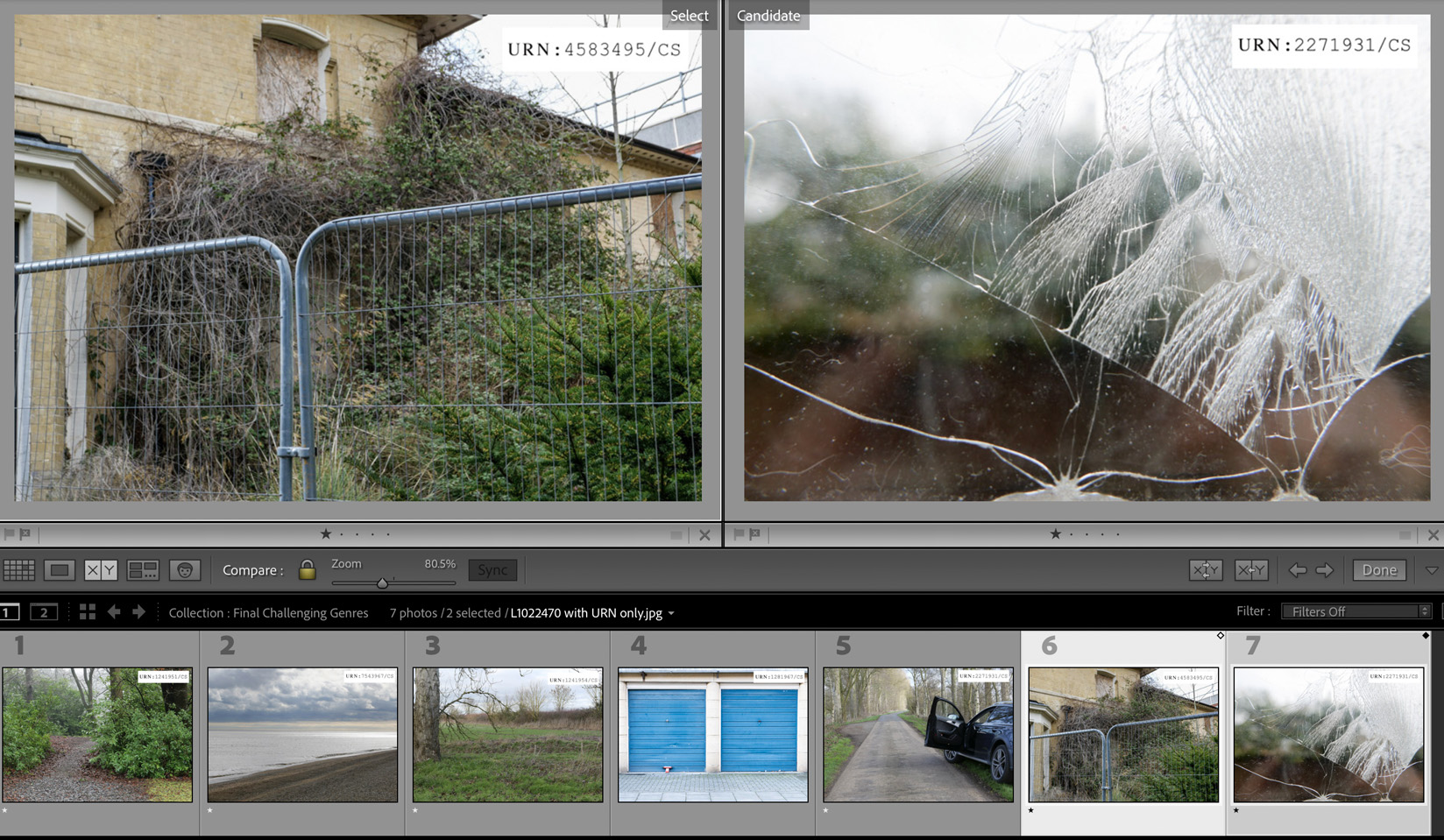
- These two images don’t sit well together, perhaps due to the different focus length – the last image is not bringing the book to an end
Final Sequence

Swapping the last two images around has worked to create a finality to the series and also as a metaphor for the finality of the events.
Bibliography
Colberg, J. (2017) Understanding photobooks: The form and content of The photographic book. New York, N.Y: London.
 OCAPhotography
Pingback: Project 9 Assignment 9: SDP Resolving | OCAPhotography
Pingback: Project 9: SDP – Resolving | OCAPhotography