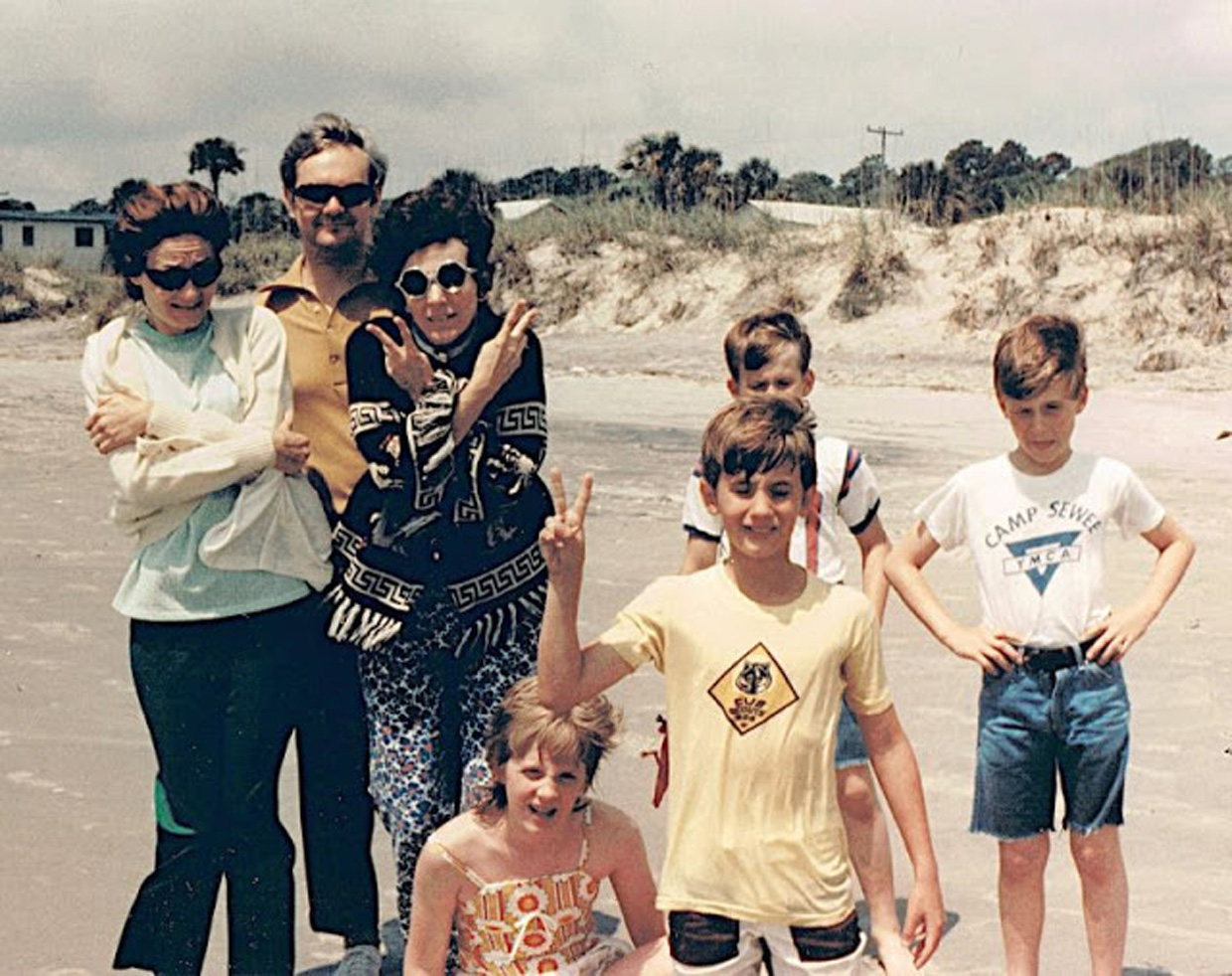
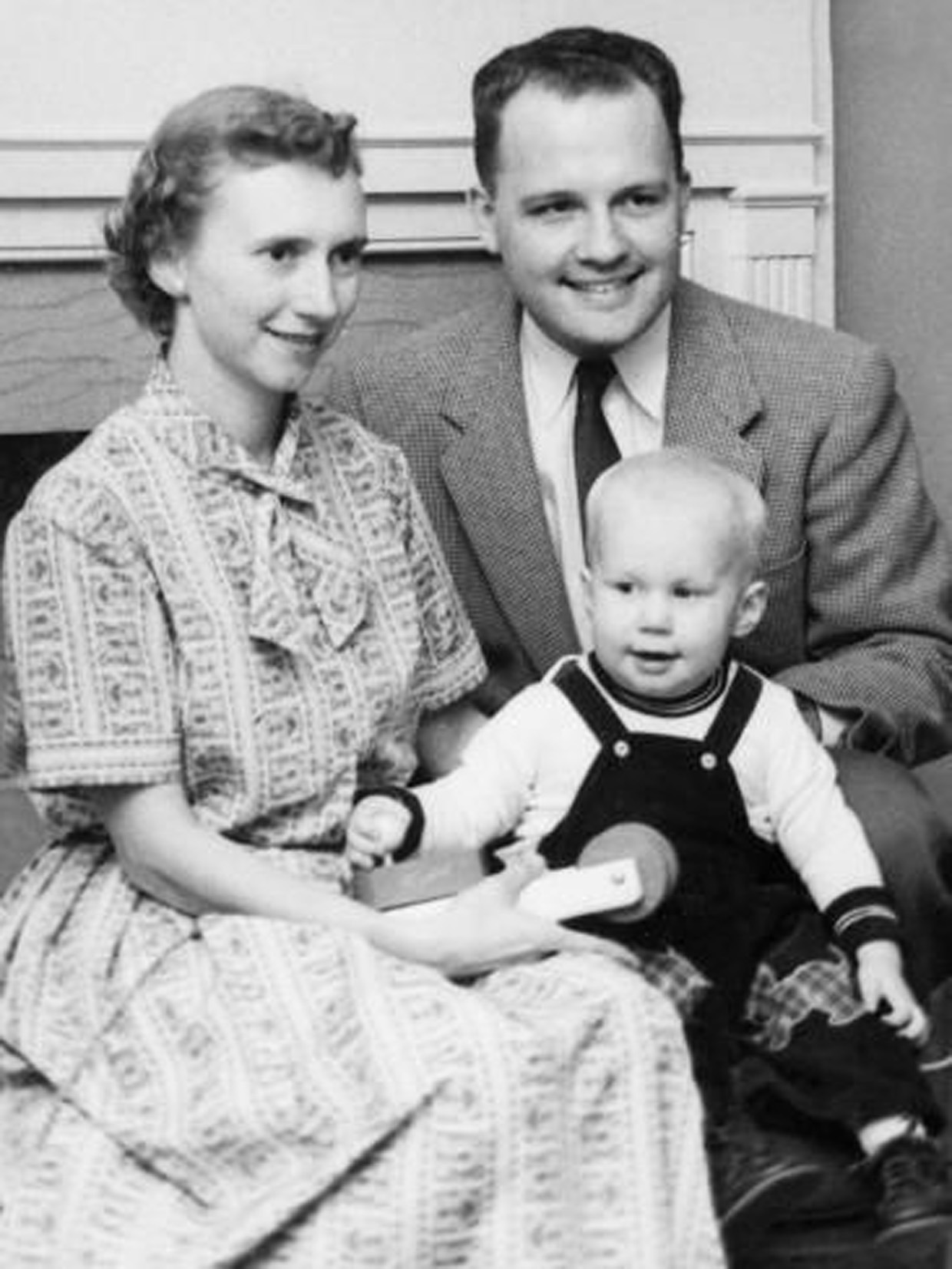
Self portrait – Learning Highlights


15th March 2021 

From Part Four C&N Research Task: Insomnia

The size of the image is discussed (it’s big) suggesting that Wall wanted it to gab peoples attention and also commenting on Walls own words when he stated that the image was made in response to the words “When a prince doesn’t sleep well, a nation doesn’t either” and that

“this work was made as part of the desire to depict unimportant people in his images and in doing so he makes the narrative transcend culture, class and success.  He speaks to us all” (Boothroyd, 2012)

The last phrase “He speaks to us all” made me think of parts of the course where the question around self portraiture has asked about these images being just about self or to highlight issues affecting a wider audience. I had alluded to the fact that I had always thought of self portraiture big about self in previous posts and once again I am seeing that this is far from the truth.

10th March 2021

Whilst completing Part Three C&N Research Task: Nigel Shafran

A self portrait doesn’t have to include a person or the artist. In can include people other than the artist who are representing something about the artist. It can be an image that says something about the artist and or the wider community without having any people in it at all. For example the series Washing up by Nigel Shafran (Fig 1,2). I hadn’t every really questioned this and always assumed that a self portrait would include the artist in the image. I guess just another aspect of image making that I hadn’t consciously thought about!

Part Three: Exercise – 4, Shafran Critique

Bibliography

Figure 1,2
Shafran, N., 2000. [image]
Available at: <http://nigelshafran.com/category/washing-up-2000-2000/
[Accessed 12 February 2021].

Boothroyd, S., 2012. Beneath the surface. [online] The Open College of the Arts.
Available at: <https://www.oca.ac.uk/weareoca/photography/beneath-the-surface/&gt;
[Accessed 15 March 2021].

Using art to explore other issues – Learning Highlights

  1. Just read something that added to my understanding of the ways in which photography can be used. This will help me with assignment one where I am trying to use my mums diary.

    Moffatts’ approach to representing the conditions of history gives us an experience of how sociohistorical issues that are normally explored through anthropology and writing can be imaginatively addressed through art” (Cotton, 2014)

Inspiration from another photographers work – Learning Highlights

Going back to Trish Mossisys’ photography and her series Front (2005 – 2007) where she replaced one of the female members of a family. It struck a cord with me (sometime after) when I found myself thinking how similar her photos were to my own situation when I met my birth family. I have no idea if there are any photos of us together in the first few months that we met, but I was a complete stranger in amongst a close family unit. I felt like a “complete stranger” and I’m sure to them I was a “complete stranger” . I don’t remember verbalising these thoughts at the time, but remember feeling them. Wearings series really brought this home to me. I created some photos made up of old family photos I found on the internet where I copied a child out of one family photo and pasted it into another family photo in such a way that you probably wouldn’t notice. It’s only when you view both photos as once would you realise that there is something strange going on. I did them quite quickly just as an experiment so they could have been better. I also realised that if my birth mother had taken a picture of me on the morning of my adoption and my adoptive parents had taken a picture of me in the afternoon, there would indeed be one baby, two families. My birth mother had taken several photos of me before I was adopted. I had never seen these photos till I met her as an adult. I had only ever seen the photos of me as a baby that my adopted parents had taken. In a strange way these photos are the same as the ones I created. Same child – different “family” I had a very strange experience when I first met my birth mother and walked into her house. There was a large photo of me as a baby of about 6 months old on her wall. This was a photo I had seen before and I found out that my adoptive mum had sent it to her via the social worker dealing with the adoption. My very first feeling was anger and confusion that this photo from our family album was on a strangers wall! It was the first time I was to experience the realisation that my adoptive parents were my “real” parents. I was to experience it again when both my adoptive and birth mothers died within a year of each other.
I feel that by creating my “family photo” montages I have managed to express something that I find quite hard to explain.
I am not sure if this would be suitable for C&N part three assignment 3 as it invlolves using the diary entries. I really would like to persue this but just not sure when?

Context and Narrative: Assignment Three – Self Portraiture – Planning and creation of images

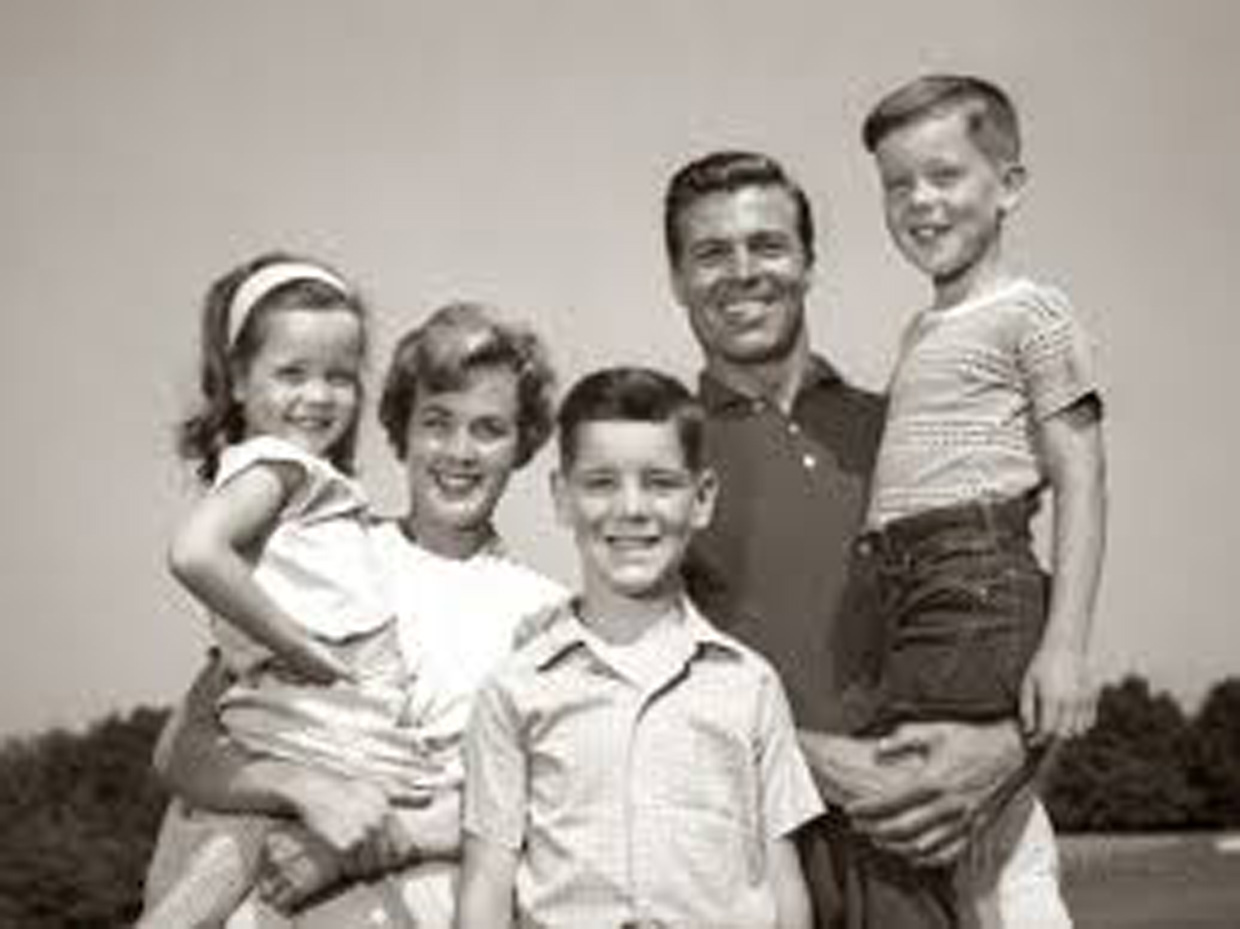
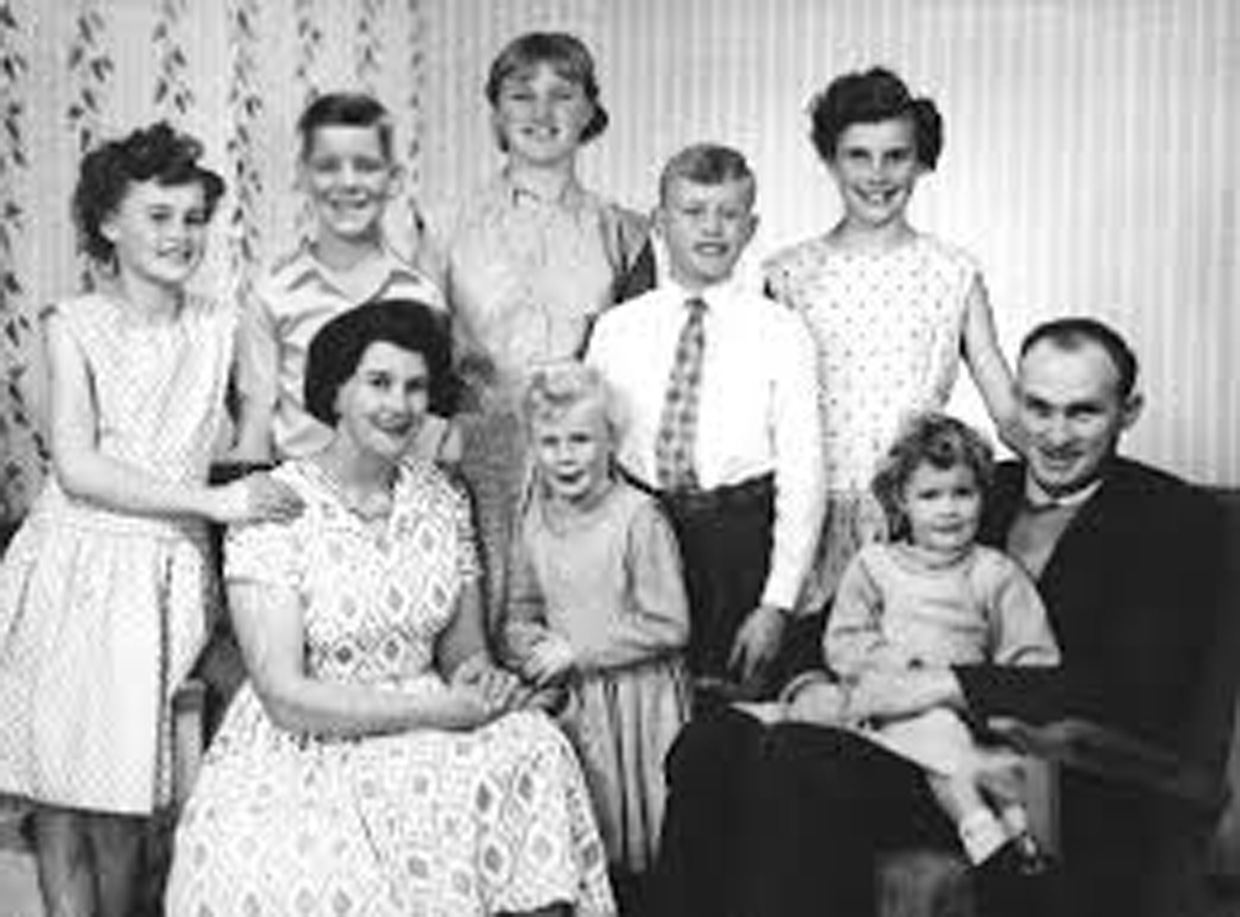
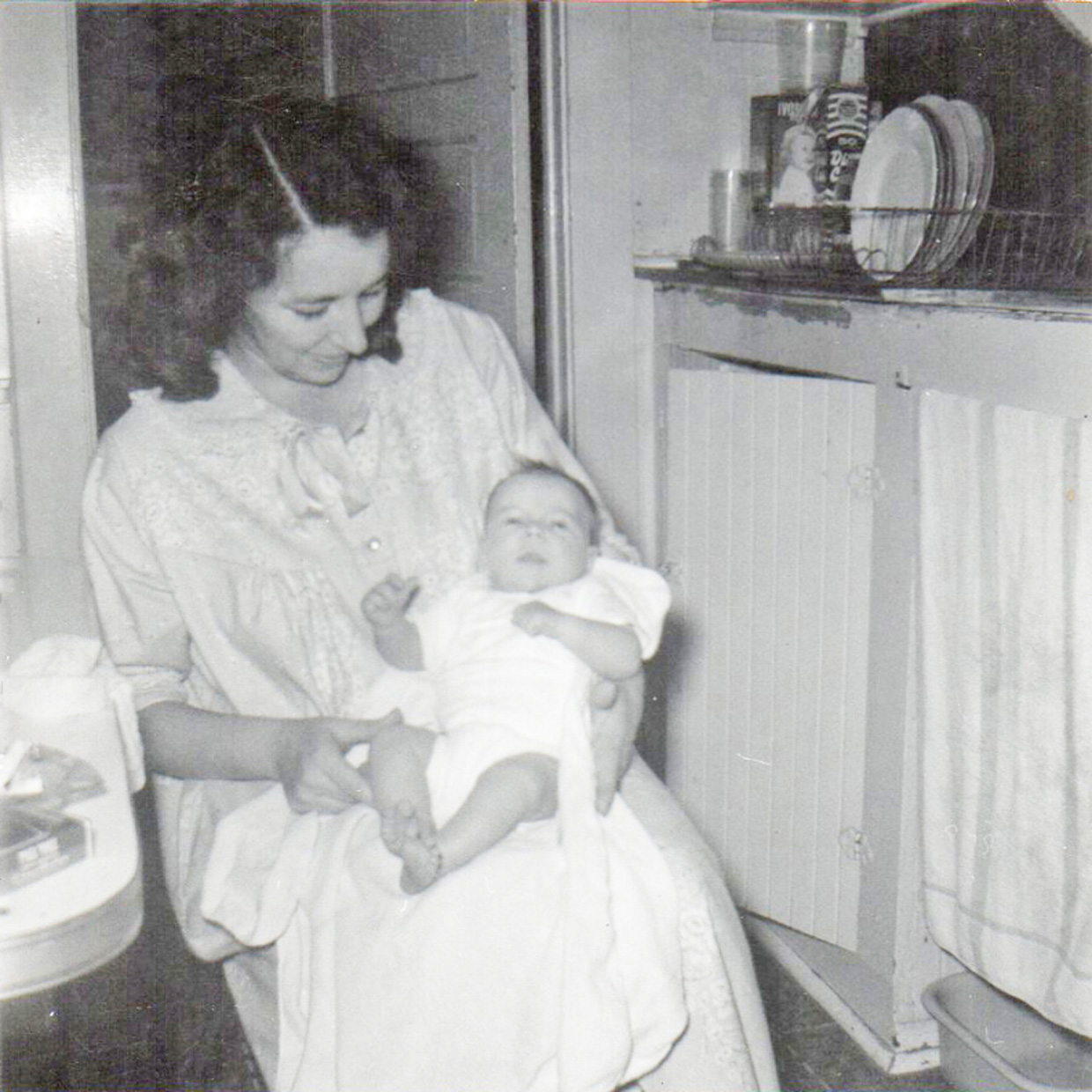
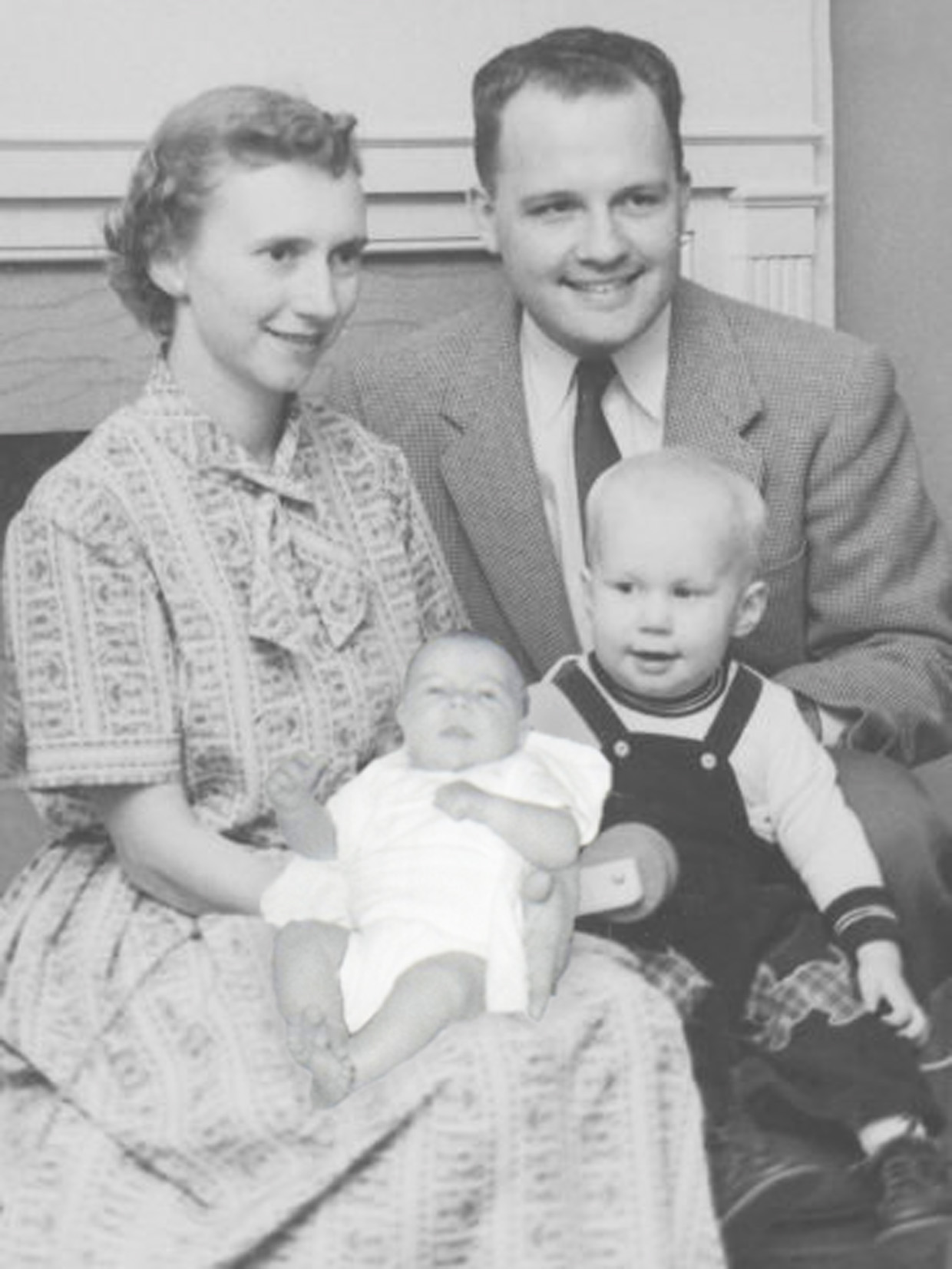
Having decided to create a series which includes the initial adoptions in the early 1960s and then potentially the reunions in the late 70s. My first task was to scour the internet to find suitable images. This turned out to be far harder than I imagined but kept away from stock photo sites where licenses might be in place. The biggest challenge was to store them in a way that I can trace the source, if, I then go on to use them in the assignment. I have decided to keep it simple and copy any images into word with the website address and date accessed.

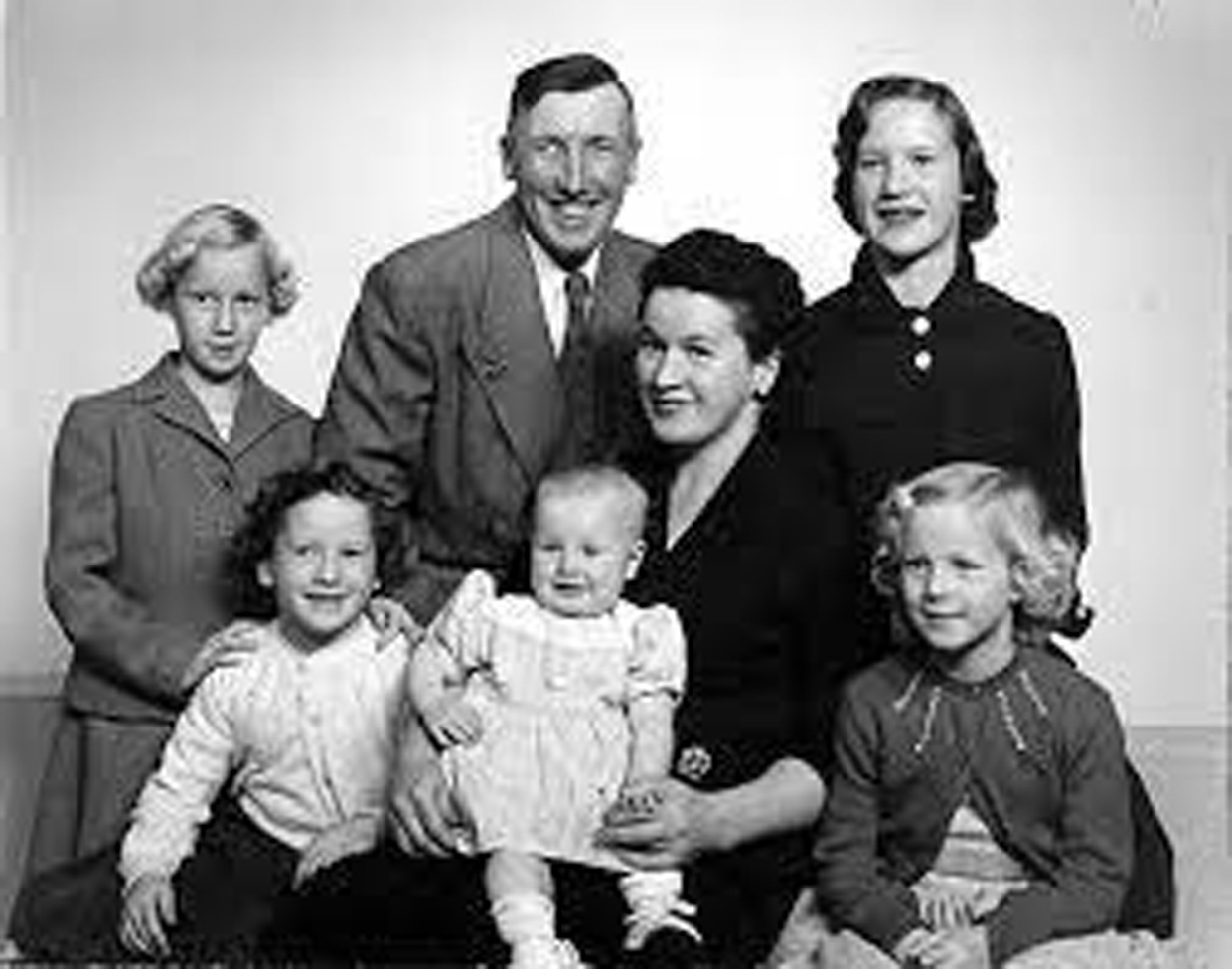
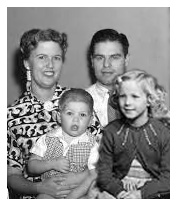
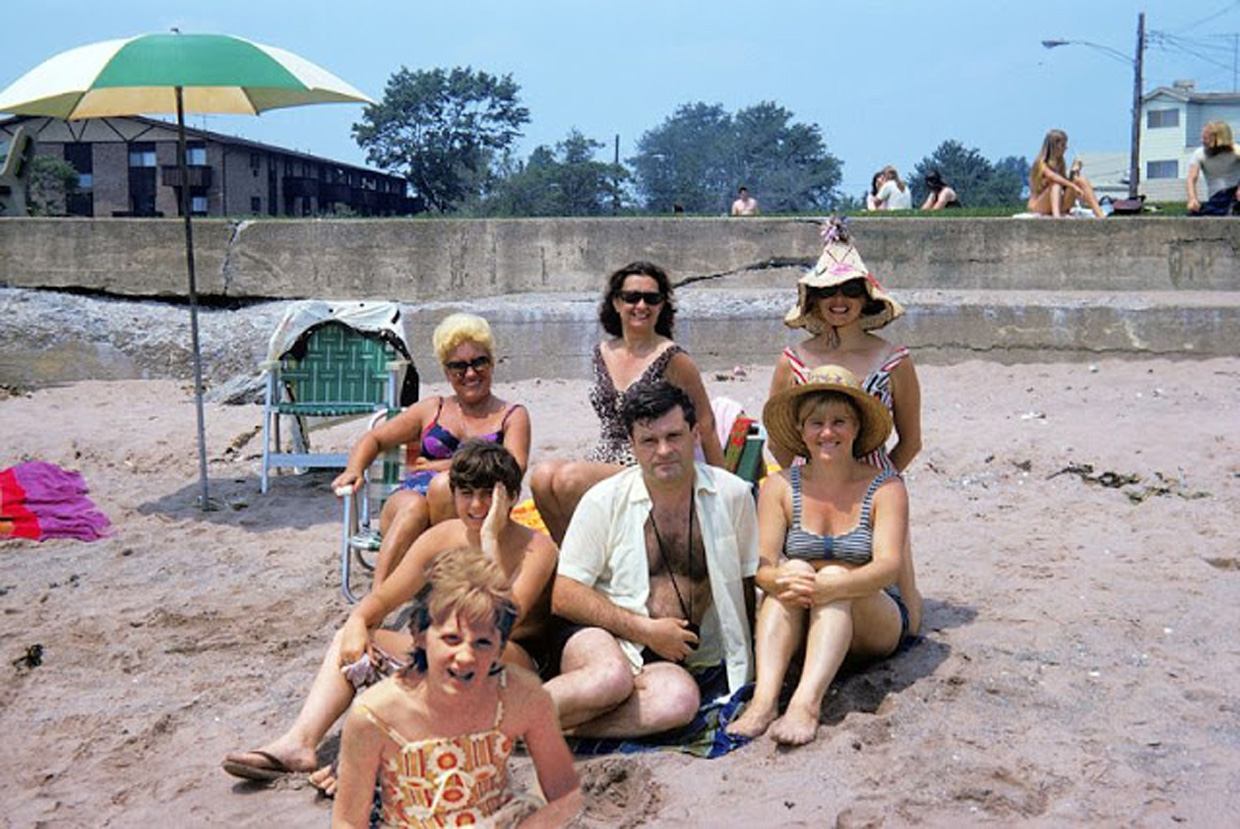
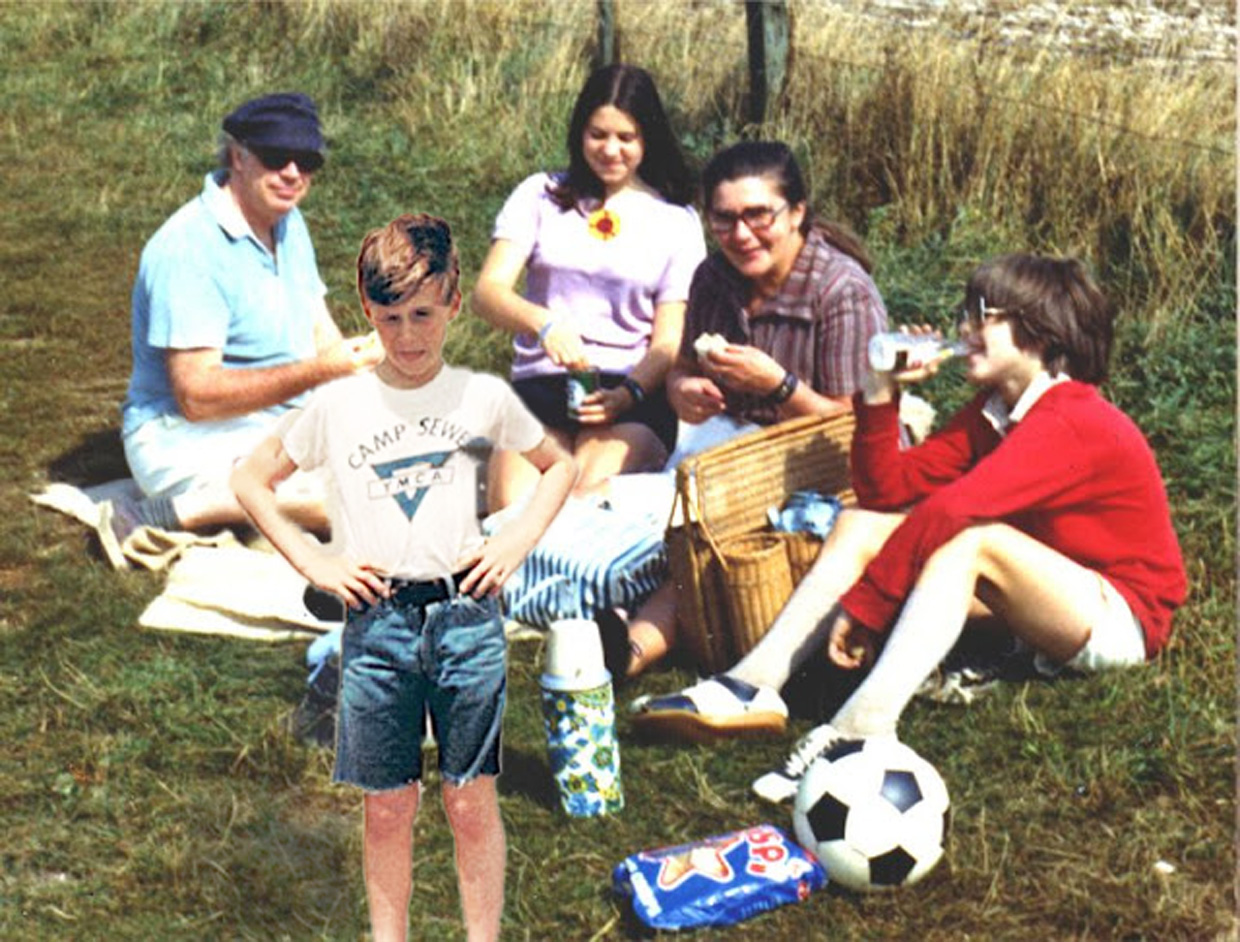
I ended up with a variety of images chosen for their look, age, style and image content suitability for merging including some of those below (Fig. 1-16)

There were several aspects of merging that I needed to take into account and caused me some frustration. The differences in tone, colour and the size (resolution) of the images were the hardest areas to deal with and although it was tricky I certainly learnt a great deal in photoshop!

I purposely used images from the era 1950 -1970 for the “stranger adoption” child images. Most were black and white but if they weren’t I desaturated them. For the images that were meant to represent the “stranger reunion”  I used images from the 1980s – 1990 and left them all in colour. I’m not sure if this is going to work and if that would be add anything to the images as a set.

I ended up with a varied set of images that was suggestive of my ideas but not quite right.

Without context just using the edited images wouldn’t make much sense. All too subtle perhaps. I wondered if I should make it more explicit and include baby/young child in a set of black and white and an adult set in colour. This might communicate the adoption day “stranger and reunion “stranger’ idea better. This seemed to work a bit better (sets below) but still not right.

Baby/Child set:

Adult set:

I began to think more about the  two occasions where the adoptive person could be a stranger in what would normally be seen as “their family”. On the day they were adopted and then the reunion. (adoptive and birth families – below) I’m hoping that looking at them in a sort of timeline will help.

Adoptive and Birth families

The key seemed to be that for the viewer they should not really be able to tell which family the duplicated individual belongs in, to try and communicate the idea of a loss of identity and the idea of them being a stranger. I’m not sure my photoshop skills are quite up to that but feeling happier with the below set I will work on those.

After some very time consuming work in photoshop, I showed the baby photos to my partner. The first thing he asked was ” which photo is the original?”. He obviously wasn’t zooming in and looking at it pixel by pixel but I was happy with his reaction. These will be my final images once I have done a bit more tweaking.

Bibliography

Figure 1-5,7
At: https://www.ukphotoarchive.org.uk
[Accessed 24/02/2021

Figure 6
At: https://i.pinimg.com/originals/0f/79/2e/0f792e2be0ef51cf5fadc165d76bcb33
[Accessed 22/02/2021]

Figure 8
At: https://www.pinterest.com/
[Accessed 22/02/2021]

Figure 9-13
At: https://www.vintag.es/2018/08/1970s-family-portraits.html
[Accessed 24/02/2021]

Figure 14-16
At: https://www.tasteofhome.com/collection/what-christmas-looked-like-the-year-you-were-born/
[Accessed 26/02/2021]

Note: Under no circumstances am I suggesting that any of the children or adults shown in the above images were adopted. All the images were selected for their era and suitability in relation to this assignment.

Context and Narrative: Assignment Three – Self Portraiture – Submission

Summary

Having gained permission from my Tutor to veer away from the brief, this series of images attempts to communicate a specific issue around adoptions in and around the 1960s. And the subsequent reuniting as an adult with birth families, identity and being a “stranger”. It focuses on the idea that a child is a “stranger” to their adopted family and then if subsequently reunited with their birth family are again a “stranger”. The word stranger of course could only be used in its true sense for a short time after the adoption and reunion, however I believe that for many adopted children the idea of being a “stranger” to both families can be the basis for a forever lost identity. I am not suggesting however that adoption or subsequent reunions are always negative events.

My aim is to produce image(s) in which the viewer does not know which “family” the duplicated individual belongs.

Introduction

After writing the words “I feel that by creating my “family photo” montages I have managed to express something that I find quite hard to explain” in my Learning Highlights blog, I realised that this might be a good time to email my tutor and ask if it would be possible to use this as my Assignment Three brief. I was pleased to receive a reply of “In short, go for it”

This veer from the brief started whilst I was completing Project 2: Masquerades and researching the work of Photographer Trish Morrisey and in particular her work Front (2005-2007). Morrisey found groups of family and friends who where strangers to her and took the place of one of the female members of the group. Having already set up her camera ready for the shot, she instructed the female member that she was replacing to take the shot. While viewing images from this series I wondered why the members of the group looked so relaxed when in fact most people generally don’t like their photo being taken by a stranger. I realised of course that the photo wasn’t being taken by “the stranger” but “the stranger’ was in their midst. The photograph was being taken by someone they new (probably very well) and perhaps someone who had taken their photo on many occasions. I had another niggle in the back of my head which I couldn’t put my finger on. In hindsight this may have been triggered by the word “adopted” in the phrase “…swapped clothing with one of the women and adopted their position…” in the course notes. Boothroyd (2019: p98). Sometime later and whilst completing Exercise 3: Childhood memories, I started to think about my own adoption in 1961 and then reunion with my birth mother and her family in the late 1980s and realised that I was a stranger  in both scenarios – the adoption and then the reunion.

It has been well documented that Identity can be an issue in adoption and research backed this up with identity issues for both the adopted person, the adoptive family and the birth family. (Identity research). Morriseys’ series made me start to think about adoption days, both for me and other adopted babies in and around the 1960s and the too often scenario where the child was with one parent (family) in a familiar environment, then in the space of a very short time, in an alien environment with strangers and a different family. (Adoption research) Similarly it  brought to mind the time shortly after I met my birth mother and her family, where I was in effect, a complete stranger in amongst a close family unit. Both scenarios place a stranger in the midst of a family.

I wondered if I would be able to express my own and perhaps other individuals’ issues relating to adoption, and, then if reunited, being a stranger once again?

This was the point at which I created a couple of draft photomontages to try and express this issue. (Img. 1,2).
In image 1 the older child has been copied and pasted from the family in image 2. For image 2, the young boy has been copied and pasted into the family from image 1.

The planning  took a great deal of scouring the internet and a steep learning curve in Photoshop! I also discovered that I was finally thinking about what I was trying to communicate; stopping when I started to lose sight of this and re-thinking when I realised that the images were not communicating what I wanted them to. I also found the physical act of selecting a child in one image and pasting it into another very poignant!

Final Images:  “Where do I belong?” (2021)

Bibliography

Boothroyd, S (2019) Photography 1: Context and Narrative. Barnsley: OCA.

Original Image 1
At: https://i.pinimg.com/originals/0f/79/2e/0f792e2be0ef51cf5fadc165d76bcb33
[Accessed 22/02/2021]

Original Image 2
At: https://www.pinterest.com/
[Accessed 22/02/2021]

Figure 3
At: https://www.vintag.es/2018/08/1970s-family-portraits.html
[Accessed 24/02/2021]

Original Image 13
At: https://www.vintag.es/2018/08/1970s-family-portraits.html
[Accessed 24/02/2021]

Figure 5
At: https://ourmombill.com/2000/07/24/mom-in-the-1960s-and-1970s/
[Accessed 25/02/2021]

Original Image 5
At: https://in.pinterest.com/pin/674343744194608604/
[Accessed 02/03/2021]

Note: Under no circumstances am I suggesting that any of the children or adults shown in the above images were adopted. All the images were selected for their era and suitability in relation to this assignment.

Context and Narrative: Assignment Three – Self Portraiture – Research – Adoption and Identity

IDENTITY

Looking at the issue of Identity from an adoptee perspective is a large and complex subject as described by Silverstein and Kaplan (1984) in their article Lifelong Issues in Adoption

……often express feelings related to confused identity and identity crises, particularly at times of unrelated loss.

Identity is defined both by what one is and what one is not

Adoptees born into one family, a family probably nameless to them now, lose an identity and then borrow one from the adopting family

For some, there is a sense of something missing. They do not have the “blood ties” of nature with the adoptive families and if reunited as adults with their birth families, do not have the “nurture” Subsequently there is always something missing, no matter which family they see themselves as belonging to.

……..experience themselves as incomplete, deficient, or unfinished. They state that they lack feelings of well-being, integration, or solidity associated with a fully developed identity (Silverstein and Kaplan, 1984)

Bibliography 

Silverstein, D. and Kaplan, S., 1984. Lifelong Issues in Adoption. [online]
Available at: <https://accordcoalition.org.uk/wp-content/uploads/2012/01/Lifelong-Issues-in-Adoption.pdf&gt;
[Accessed 24 February 2021].


Context and Narrative: Assignment Three – Self Portraiture – Research – Adoption

Adoption 

The process

Early adoption processes in England were generally quite different in the 1950s and 1960s. The stigma of being an unmarried mother meant that there were far more babies put up for adoption and too often there was pressure put on these women by family members or authority figures to go down the adoption process. Majority of these women were given no choice.

“Parishes had listings for Mother and Baby Homes and the family’s vicar would frequently recommend an institution far from their locality, and within the same faith as the family. According to a 1968 study on Mother and Baby Homes, the majority of the homes were run by the Church of England (58%), followed by Roman Catholic (11.6%), the Salvation Army (5.3%), the Methodist Church (3.5%), as well as other church and religious organisations (7.6%). The remaining homes were run by local authorities including health and welfare departments (14%). Often the local church would refer the mother and daughter to a social worker, either within or outside of the faith, while others found the social workers on their own accord. Once they met with a social worker they were frequently told that ‘we book you into a Mother and Baby Home, you go there six-weeks before the baby is due, the baby is adopted, then you can get on with your life. That is what we do.’” (Bell, 2013)

“Whether they wished to have their child adopted, or felt coerced or forced into doing so, all of the women involved in this study relinquished their child for adoption. Their reasons for doing so generally falling into four categories: pressure from family or parents (‘It’s for the best’), belief that it was best for the baby (It’s only fair to the child), belief it was best for the mother (I had the rest of my life to think about), or that there was no practical alternative (What else could I do?)” (Bell, 2013)

There is still stigma attached to single unmarried mothers but it has reduced and is far more widely accepted.

The adoption process itself has also changed and focuses on both the well-being of the mother and the child. Early adoptions were sometimes “brutal” in their complete misunderstanding of the feelings of the mother, the child and the adoptive parents. In many cases the adoption would happen with no previous visits having been made and without the birth mother having any knowledge that their baby was being removed from her care on a particular day. The adoptive parents were often given little information about the child which might help them in the early weeks and the assumption was made that once the child had been passed to the adoptive parents then that was the end of “the matter”. Mothers were often given a train ticket home on the day of the adoption after having to leave their babies prior to the arrival of the adoptive parents.

I saw her taken away. I was dusting the windowsills and I were dusting, above the front door there was a long window, and I was dusting the windowsill. And a couple came out with a baby and got in a red car and drove off. And my baby weren’t in nursery that night. So, I actually saw her go…’ (Anon 2013) from (Bell 2013)

‘ I do remember the actual leaving of her in her cot after having been given time with her on my own. That is something they did let you have just before you were leaving. You had time on your own with your baby. You had time to put her in the clothes you were giving her away in. I can remember all that. I can remember putting her in her cot and walking away and going through the door knowing I’d never see her again.’ (Anon 2013) from (Bell 2013)

Fortunately this unethical adoption process in England has changed dramatically and far more emphasis is put on the feelings of the birth mother, the child and the adoptive family.

Early adoptions in England for the most part were not dealt with in a sensitive or caring way, Despite this, many adoptions undertaken around this time were successful and although the process may have been flawed for many, the outcome was a happy one.

Post adoption and into adult hood

It is difficult to say that being adopted automatically means that as a child and or adult there will be problems relating directly to the adoption. However in 1982, Deborah Silverstein and Sharon Kaplan published an article entitle Lifelong Issues in Adoption, where they identified seven core issues that may affect all parties involved. (Birth family, child or children being adopted, and adoptive family) In the below article these are referred to as the Triad members.

  1. Loss

Adoption is created through loss; without loss there would be no adoption. Loss then, is at the hub of the wheel. All birthparents, adoptive parents, and adoptees share in having experienced at least one major, life-altering loss before becoming involved in adoption. In adoption, in order to gain anything, one must first lose – a family, a child, a dream. It is these losses and the way they are accepted and, hopefully, resolved which set the tone for the lifelong process of adoption. (Silverstein and Kaplan, 1984)

2. Rejection

Feelings of loss are exacerbated by keen feelings of rejection. One way individuals seek to cope with a loss is to personalize it. Triad members attempt to decipher what they did or did not do that let to the loss. Triad members become sensitive to the slightest hint of rejection, causing them either to avoid situation where they might be rejected in order to validate their earlier negative self-perceptions…..(Silverstein and Kaplan, 1984)

3. Shame and Guilt

The sense of deserving such rejection leads triad members to experience tremendous guilt and shame. They commonly believe that there is something intrinsically wrong with them or their deeds that caused the losses to occur. Most triad members have internalized, romantic images of the American family which remain unfulfilled because there is no positive, realistic view of the adoptive family in our society….. (Silverstein and Kaplan, 1984)

4. Grief

Every loss in adoption must be grieved. The losses in adoption, however, are difficult to mourn in a society where adoption is seen as a problem-solving event filled with joy. There are no rituals to bury the unborn children; no rites to mark off the loss of role of caretaking parents; no ceremonies for lost dreams or unknown families. Grief washes over triad members’ lives, particularly at times of subsequent loss or developmental transitions…..(Silverstein and Kaplan, 1984)

5. Identity

Adoption may also threaten triad members’ sense of identity. Triad members often express feelings related to confused identity and identity crises, particularly at times of unrelated loss. Identity is defined both by what one is and what one is not. In adoption, birthparents are parents and are not. Adoptive parents who were not parents suddenly become parents. Adoptees born into one family, a family probably nameless to them now, lose an identity and then borrow one from the adopting family…..(Silverstein and Kaplan, 1984)

6. Intimacy

The multiple, ongoing losses in adoption, coupled with feelings of rejection, shame, and grief as well as an incomplete sense of self, may impede the development of intimacy for triad members. One maladaptive way to avoid possible reenactment of previous losses is to avoid closeness and commitment…..(Silverstein and Kaplan, 1984)

7. Mastery and Control

Adoption alters the course of one’s life. This shift presents triad members with additional hurdles in their development, and may hinder growth, self-actualization, and the evolution of self-control…..(Silverstein and Kaplan, 1984)


Bibliography

Bell, R., 2013. No other options. [online] Motherandbabyhomes.com.
Available at: <https://www.motherandbabyhomes.com/&gt;
[Accessed 24 February 2021].

Silverstein, D. and Kaplan, S., 1984. Lifelong Issues in Adoption. [online]
Available at: <https://accordcoalition.org.uk/wp-content/uploads/2012/01/Lifelong-Issues-in-Adoption.pdf&gt;
[Accessed 24 February 2021].

Part Three: Exercise 3 – Childhood Memories

Brief

Recreate a childhood memory in a photograph. Think carefully about the memory you choose and how you’ll recreate it. You’re free to approach this task in any way you wish.

  • Does the memory involve you directly or is it something you witnessed?
  • Will you include your adult self in the image (for example, to ‘stand in’ for your childhood self ) or will you ask a model to represent you? Or will you be absent from the image altogether? (You’ll look at the work of some artists who have chosen to depict some aspect of their life without including themselves in the image in the next project.)
  • Will you try and recreate the memory literally or will you represent it in a more metaphorical way, as you did in Part Two?
  • Will you accompany your image with some text?
  • In your learning log, reflect on the final outcome. How does the photograph resemble your memory? Is it different from what you expected? What does it communicate to the viewer? How?It might be interesting to show your photograph to friends or family members – perhaps someone who was there at the time and someone who wasn’t – and see what the image conveys to them.

Summary

The image that resembles my memory is the train window (Img. 1). It turned out much better than I expected and does very much conjure up the feelings of those long journeys looking out of the window . I want it to convey a train journey being taken by a child, but it is hard to step back and look at it as outsiders might. Unfortunately there is no one I can ask who was there. I asked my partner who thought it was a bit too subtle.window. I added the word “Train” in the text to try and put the idea into people heads.

Img. 1 Adventures by Train 1960-1970 (2021) Author

Tracy Moffatt

An Australian artist working in film an photogrpahy ..

“..first came to international prominence in 1989 with the photo series Something More, which was at the forefront of a trend towards staged photography. Her work often uses dark humour to deal with serious issues, and regularly features the artist herself” (Bright, 2010)

Moffat often used the genre of Victorian melodrama and dramatic shadows of early twentieth century German Expressionist film to focus on

…slavery in terms of colonialism, class, sexuality and addiction. Moffatts’ approach to representing the conditions of history gives us an experience of how sociohistorical issues that are normally explored through anthropology and writing can be imaginatively addressed through art” (Cotton, 2014)

Fig. 1 Tracy Moffat “Laudanum” (1999)

It tends to be the significant events that we remember in our lives but what makes them significant can vary greatly. They can be significant because they were good or significant because they were bad. As far as childhood memories are concerned, how good or how bad is determined by the circumstances.

“It is not yet clear why certain experiences are remembered for a lifetime, while so many more are not. The earliest childhood memories recalled by adults are often of emotional events. Although many such memories represent negatively emotional events, many also preserve the happy experiences of childhood (Howes, Siegel, & Brown, 1993). Certainly injuries, such as a playground accident resulting in a broken arm, often persist in adult memory. But also memorable are happy occasions such as an especially enjoyable holiday or time playing with friends on an outing” (Batcho, K Ph.D, 2015)

Moffatts’ series “Scarred for Life” (1994) focuses on the more negative events

“Each photograph documents brief, bitter family moments that are universal in their relatability. The details differ, but we all endure small digs at our self-worth that bring us down and subconsciously teach us about society, how it works, and where we fit (or don’t fit) in” (Ingram, 2018)

Each image has some text which gives the viewer some additional information about what the image is portraying and a year which indicates the year in which it has been styled.

Thoughts and Planning

Before starting the first exercise for this part of the course, I had a brief read through, looking at the assignment and rest of the coursework.  So for the past couple of weeks have been thinking about childhood memories in the hope that I can find something  that will work. Many of these memories are of holidays or trips we took as a family so this as a starting point.

Although package foreign holidays were beginning to emerge it wasn’t something that we ever did as a family. I was born in January 1961 so I see my “childhood” years as being between the early 1960s and early 1970s. Our holidays consisted of visits to friends of the family in places such as Cornwall and Mid wales and time spent in Edinburgh. In Edinburgh we would stay in a city centre apartment, with visits to historical sites and buildings, the cinema, theatre and the Zoo. Sounds rather boring by todays standards but I remember it as being a great time even from a very young age.

I felt the best way of deciding what memory(s) to use for this exercise is to split some of them out, write down what comes to mind and go from there. I have also put in bold any parts of these memories that might be worth taking forward.

Memories of traveling by train mid 1960s to early 1970s

  1. The scratchy material seats and the windows, which always seem to get steamed up.
  2. The countryside rushing past in between stations.
  3. Trying to see the rest of the train out of the window when going round a long bend.
  4. Eating sandwiches and drinking orange squash
  5. Watching people getting off and then other people getting on when the train stopped at the various stations on the journey.
  6. Walls of white tiles
  7. Rushing from one platform to another with suitcases to catch a connecting train. I don’t think suitcases with wheels were around then so this must have been hard work for my parents.
  8. The rhythmic noise of the train and the changing sounds as it went over points. I didn’t mind travelling in the day but I do remember being quite scared at night when I couldn’t see anything outside the window.
  9. Watching my mum, watching the door for my dad .I  always wondered why she was so worried – I understand now, but I had no thoughts whatsoever that he wouldn’t appear and he always did arrive with lots of things to tell us.

Fig. 1 Birmingham New Street Station 1965

I decided to go with the steamed up windows for a couple of reasons. I can do this at home (lockdown still in place) and I wanted to try layering two shots, one showing movement blurry to represent the countryside flashing past (which I remember vividly) and one of the steam on the window. I also wondered if a shot of the lower past of the window would help to show that this was a childs view. I also wanted it to be a straight on view to represent me sitting sideways on the seat staring out of the window.
I took a photo outside in the garden and added a pan filter to simulate movement blur. I then photographed one of our windows with a bit of window frame showing after using a wallpaper steamer to steam up the window. Layered in photoshop and opacity adjusted to allow some of the background movement blur to show through. I also used the eraser tool to simulate a small amount of unevenness for the steam on the windows to replicate the area I would look through. it has been placed low in the window to express the fact that I was quite small and could only see up that far! I added some text to give some context. I would like to have tried the shot with a childs fingers gripping the bottom of the window frame to put the viewer more in the place of the child looking out of the window. Due to current lockdown restrictions this wasn’t possible.

Img. 1 Adventures by Train 1960-1970 (2021) Author

Memories of Cornwall 1960s to early 1970s

  1. Saving my pocket money to buy glass floats in the local corner shop. I loved the colours and bubbles in the glass and used to look through them like a kaleidoscope for hours.
  2. The first time I was allowed to walk to the corner shop by myself.
  3. Walking by the sea when the waves were really high and being amazed.
  4. Walking on the sand and finding lots of interesting things to bring home
  5. Baking bread in my mums friends kitchen with her mother. I was too small to reach the table and had to stand on a chair.
  6. Feeding their dog under the table and getting into trouble
  7. Picking fruit and vegetables in the back garden

Fig. 2

I picked up on the kaleidoscope idea and decided to try and get a photograph of an actual image produced by a real kaleidoscope. The I looked through the kaleidoscope the image reminded me of the floats so decided to give it a go. I took one end off the kaleidoscope, sat it on a glass table with a small light shining upwards and aimed my shot down through the tube. I was really surprised at the results and although a bit blurry, with uneven light, I was just pleased that I got anything at all. I used a cheap cardboard kaleidoscope which I found on line.

I used various focus lengths and lighting options to try and get the right feel. Including a spot light and light box. I found the spotlight reminded me more of the sun light and how it reflected on the glass.

Contact sheet 1


I’m quite surprised at the amount of things I can remember considering how young I was, but there is always the possibility that they were not quite as I am remembering them due to the way in which we process memory over time.


Bibliography

Bright, S., 2010. Auto focus. London: Thames & Hudson, p.128.

Cotton, C., 2014. The photograph as contemporary art. 3rd ed. London: Thames & Hudson Ltd. London, pp.203,204.

Batcho, K.,Phd 2015. What Your Oldest Memories Reveal About You. [online] Psychology Today. Available at: <https://www.psychologytoday.com/gb/blog/longing-nostalgia/201504/what-your-oldest-memories-reveal-about-you&gt;
[Accessed 17 February 2021].

Ingram, C., 2018. Scarred for Life: Using Art to Analyze the Small Moments that Define Us. [online] Art Class Curator.
Available at: <https://artclasscurator.com/tracey-moffatt-artwork/&gt;
[Accessed 17 February 2021].

Figure 1
Birmingham New Street 1965
[image] Available at: <https://www.birminghammail.co.uk/news/nostalgia/gallery/stunning-photos-new-street-station-9510115&gt;
[Accessed 17 February 2021].

Figure 2
[image] Available at: https://picclick.co.uk/Princes-Street-Looking-East-Edinburgh-Scotland-E0275-Dennis-254498108445.html
[Accessed 17 February 2021].

Figure 3
[image] Available at: https://www.dorsetgifts.com/fishingfloats.html
[Accessed 17 February 2021].


Part Three: Exercise – 4, Shafran Critique

Brief

Nigel Shafran

Go to the artist’s website and look at the other images in Shafran’s series.

You may have noticed that Washing-up is the only piece of work in Part Three created by a man. It is also the only one with no human figures in it, although family members are referred to in the captions.

  • Did it surprise you that this was taken by a man? Why?
  • In your opinion does gender contribute to the creation of an image?
  • What does this series achieve by not including people?
  • Do you regard them as interesting ‘still life’ compositions?Make some notes in your learning log.

I was already aware of Shafrans’ work in a previous unit and can’t remember being surprised that the series Washing up had been produced by a man. I hadn’t consciously thought about whether gender contributed to the creation of an image but my immediate thoughts were that they do. It would of course, depend on the circumstances and further thought lead me to thinking about the reasons. I came to the conclusion that there are many many reasons why gender might make a difference in the creation of an image and some of them include historical factors relating to subject matter and gender roles, access to subject matters themselves and biological/physiological differences. However it would see m wrong to stereotype a photographer by their gender

“Generally female photographers are more drawn to story, narrative and emotion,
but many males are also drawn to such subjects; male photographers are
more drawn to technical and action-filled subjects, but many females are also
drawn to such subjects. Hence, for each stereotype regarding photographs and
gender, numerous photographers or photographs can be found that challenge or
defy it. Men and women capture different photographs but this should not give us
the excuse to impose our stereotypes and clichés on a particular photographer,
whether male or female” (Sattari and Mousavi, 2013)

Fig.1 Shafran, Three bean soup, cauliflower vegetable cheese. Morning coffee and croissants . From the series Washing-up (2000)

“According to Dennis Keeley, chair of photography and imaging at the Art Center, his male students usually have a more technical approach, and pay more attention to photographic equipment and the like. Or Kathleen Hennessy, director of photography at the San Francisco Chronicle, states that during the process of photo selection “men really talked about the physical dimensions of the photograph, the technical aspects, and the composition… and the women tended to talk about the story and the emotion and the impact”(in Mitchell, 2009)” (Sattari and Mousavi, 2013)

“……..in Eastern societies such as Iran, especially in traditional communities, the difference in the working conditions between the sexes is conspicuous. On the one hand, photographing Iranian female villagers and entering their traditional houses is challenging for men and requires delicacy and tact. Of course, some of the Iranian photographers, namely, Nasrollah Kasraian and Nicol Faridani overcame these challenges with traits such as politeness, determination, patience, and deli- cacy. On the other hand, photographing some of the religious events and rituals that are performed mainly by men, are challenging for female photographers and may upset or even infuriate the religious participants. Thus, an Iranian woman might be just as interested as men in capturing a particular religious ceremony; but because of segregation, and cultural and religious norms, she may not succeed in making such a photograph. Therefore, irrespective of the reasons, it causes men and women to capture different photographs” (Sattari and Mousavi, 2013)

In her series Annunciation (2012) Elina Brotherus documents her struggle with infertility and IVF, this series would be viewed differently by men and women and images to represent this struggle taken by a man may well have shown a very different but equally emotional struggle.

By not including people in the images it allows the viewer to use their imagination, to “investigate” the scenes, to find clues as to who the person or people are. I noticed that there was some text beneath each image both in Shafrans’ book and in the course notes but not in the images on Shafran website. The images stand out with and without the text but with the text there is more of an idea of who the people or person is, without it, it is up to the viewer to use the clues in the image and come up with more of their own thoughts.

Fig.2 Shafran, 31 January 2000 Horrible crumpets and Jill’s jam, reship tea, smoked salmon on bread and alfalfa sprout salad, apple, leftover veg haggis and scitan spinach and burnt rice to come!

Do I regard them as interesting “still life” compositions? Yes I do see them as still life compositions in their own right but I feel they are more than that as Brett Rogers wrote in response to Shafrons’ work in the British Council and the Photographer’s Gallery Exhibition

Washing-Up 2000 comprises an extended series (totalling 170 images produced over the course of a year) in which Shafran documented his daily routine (what he ate and how he felt) in various domestic settings, mostly at home but sometimes abroad. Taken with a large-format camera using only available light, and in most cases long exposures, the resulting still lifes provide a formal and personal diary of a certain place and time. Formal elements, such as a bright green washing-up bowl, yellow gloves, stainless steel colander, recur throughout the series, accentuated and transformed through dramatic changes in light and atmosphere. As in traditional still-life painting, in which specific objects such as the hour-glass and human skulls were introduced to symbolise mortality and the brevity of life, here the recurrence and disappearance of certain motifs and changing atmospheric conditions within the series suggest the passage of time and contingencies of daily life. (Rogers, n.d.)


Bibliography

Figure 1-3
Shafran, N., 2000. [image]
Available at: <http://nigelshafran.com/category/washing-up-2000-2000/
[Accessed 12 February 2021].

Rogers, B., n.d. Brett Rogers, Reality Check : Nigel Shafran. [online] Nigelshafran.com.
Available at: <http://nigelshafran.com/brett-rogers-reality-check/&gt;
[Accessed 12 February 2021].

Sattari, M. and Mousavi, S., 2013. The Role of Gender in Photographic Works: Do Men and Women Capture Different Photographs?. [online] Ijwr.ut.ac.ir.
Available at: <https://ijwr.ut.ac.ir/article_50138.html&gt;
[Accessed 16 February 2021].

Part Three: Exercise 2 – Self Representation

Brief

  • Is there any sense in which Lee’s work could be considered voyeuristic or even exploitative? Is she commenting on her own identity, the group identity of the people she photographs, or both?
  • Would you agree to Morrissey’s request if you were enjoying a day on the beach with your family? If not, why not?
  • Morrissey uses self-portraiture in more of her work, namely Seven and The Failed Realist. Look at these projects online and make some notes in your learning log.

Nikki S Lee

Nikki s Lee is a Korean born visual artist best know for her work Projects (1997–2001).

“She is best known for her “Projects” series (1997–2001), in which she attempted to assimilate into various social and subcultural groups—among them young punks, senior citizens, yuppies, and hip-hop fans—by precisely mimicking their styles and mannerisms. She would appear with them in casual group snapshots taken by friends or passersby, the amateur point-and-shoot images reinforcing Lee’s attempt at verisimilitude” (Vogel, 2020)

Fig. 1 Nikki S. Lee: The Hip Hop Project (2), 2001

Fig.2 Nikki S. Lee: The Punk Project (5), 1997

  • Is there any sense in which Lee’s work could be considered voyeuristic or even exploitative? Is she commenting on her own identity, the group identity of the people she photographs, or both?

When i first looked at Lees work, it made me feel a bit uncomfortable. I really wasn’t sure why and to a certain extend Im still not entirely sure. After more reading a research I started to get a better idea of what she was trying to achieve through the Projects and this only continued to make me more uncomfortable. The question wether this work could be seen as voyeuristic or exploitative starts with the question of wether the people she was integrating with, knew that she was taking on this persona and were given credit. Lee did not know how well known and valuable her work would. These were certainly things that contributed to my feeling of unease. This was an early work and I wonder if there is some immaturity at play here? I agree with Lee when she says that individual identity is fluid but why she should select this way of expressing it could be seen as either insensitive, immature or perhaps down to her need to perform.

“Lee believes that individual identity is fluid and that her Projects were extensions of herself” (Nikki S. Lee | Artist Profile | NMWA, n.d.)

“For Lee, it seems, these identities are all fundamentally subject to convention; absentminded viewers might be fooled, but she is not deceiving the people whose lives she is temporarily sharing: After all, there’s no way this Korean could convince a group of Latinos, for example, that she’s one of them, though it is quite possible for them to act as if that were the case. The people who pose with Lee are her collaborators but they don’t have to understand why she’s doing what she does; they only need to be willing to play along” (Schwabsky, 1999)

Other aspects of her work that made me uneasy was the way in which she pigeon holed some ethnic groups, cultures or labelled groups that are now seen or should be seen as inappropriate.

“The bar for NO when it comes to blackface and brownface must be: All kinds, every kind!   

Darkening one’s skin to pose for a series of photographs in a community one has no affinity with, does not belong to, and as an entertainment project with ongoing profit plan—this is not an interpretation of blackface. It’s blackface” (Kim, 2016)

There is definitely a divide when it comes to Lees work, with a whole range of cultural, ethical and political issues that at times are criticised and applauded.

“Lee’s debut earned further praise from the New York Times. In his review, Holland Cotter suggests that Lee’s work occupies a “post-ethnic” position that rejects essentializing notions of identity. He was especially impressed by Lee’s bleach-blonde persona in the Ohio Project (1999), where she was photographed alongside blue-collar white Midwesterners. Her ability to lampoon upper-middle-class white culture was also applauded. In a 2001 article for Art Journal, Maurice Berger analyzes her pitch-perfect emulation of preppy style in the Yuppie Project (1998) as a critical take on whiteness” (Vogel, 2020)

I doubt I would be able to gain enough information to make a truly informed decision about exploitation on Lees part but in light of what I have discovered via the internet and books I am still uncomfortable with her Projects. I am in fact slightly more uncomfortable that I was before I started.

Trish Morrissey

  • Would you agree to Morrissey’s request if you were enjoying a day on the beach with your family? If not, why not?
  • Morrissey uses self-portraiture in more of her work, namely Seven and The Failed Realist. Look at these projects online and make some notes in your learning log.

Trish Morrissey is an Irish photographer who also works in films and video. She describes her work as

a study of the language of photography through still and moving images (Morrissey, nd)

In Morrissey work Front (2005-2007) she travelled to beaches in both the UK and Australia and asked groups of family or friends if she could photograph them in a group shot, with Morrissey herself replacing one of the females.

Fig. 3 Morrissey, T (2005-2007) Katy McDonnell 2007

Fig. 3 Morrissey, T (2005-2007) June Marsh 2007

It was interesting to note that the title for each image is the name of the woman she replaced.

“Each photograph is named after the replaced woman who, in her presence-absence, becomes the fulcrum of the image and its material author” (Bastwick, 2005)

Fig.4 Morrissey, T (2005-2007) Haley Coles 2006

Fig.5 Morrissey, T (2005-2007) Chloe Gwynne 2005

Morrissey is addressing the notion of borders and boundaries

“using the family group and the beach setting as metaphors……These highly performative photographs are shaped by chance encounters with strangers, and by what happens when physical and psychological boundaries are crossed; both the cuckoo and mythological “shape-shifters” are evoked” (Morrissey 2009)

The people in the images look very relaxed and natural. Unless you are aware of the situation it would be hard to work out that one of them is a complete stranger. I did wonder why this was the case. My own experience of taking photos of people I don’t know, is that they immediately change as soon as they know or think they might be in range of my camera. In this case of course, they were not having their photo taken by a complete stranger, they were having it taken by a family member or friend. Most of them are looking at the camera and therefore their partner, wife, mother or friend. They are also then not looking at the stranger in their midst.

Boothroyd asks is to think about our own reaction if we were asked to participate in one of Morrisseys’ shoots

  • Would you agree to Morrissey’s request if you were enjoying a day on the beach with your family? If not, why not?

Along with a large proportion of the population, I really don’t like having my photograph taken or ever take photographs of myself. My initial reaction was therefor no. However when I thought about it and as long as I was the person being replaced (and taking the shot) I might well agree. I would off course have to be happy that she was going to use the images for the purpose she was stating and would want some form of signed document to ensure the images were not used for other purposes.

Her work Seven Years (2001 – 2004) was born out of her previous work Twenty two (2000-2001)

“Morrissey’s impetus for this new direction was born out of the discussions and remembrances that her Twentytwo project catalysed within her family.  A box of photographs (into which her parents added their Twentytwo portraits) became a focal point for shared, disputed and reinvented memories of her family’s history” (Cotton, 2004)

Fig. 6 July 22nd 1972 (2003) © Trish Morrissey

Fig. 7 April 16th 1967 (2003) © Trish Morrissey

Many of us are fascinated by “family photographs” and the rise in interest of people to find out about their ancestry has only fast forwarded this fascination. Whether its family snaps of people we know and immediate family or long gone ancestors, it seems we are constantly intrigued.

It’s hard to pin down what the fascination is! I guess there is the acceptance of time passing, the changing faces of self and family, the sadness and comfort of seeing people we have lost, the changing fashions and landscapes and perhaps the added comfort of belonging then, and still belonging now.

“For all of us, our snaps can be the compelling mediators of the re-appraisal of identities and familial relationships. Seven Years became Morrissey’s attempt, in collaboration with her elder sister, to make the subject of these photographs the subtexts of family relationships that are embedded in the formulas of family photographs.  To think of Seven Years as a re-staging of specific family photographs is inaccurate, or at least only part of the ingredients to these distilled ‘family’ photographs” (Cotton, 2004)

Fig. 8 April 16th 1984 (2003) © Trish Morrissey

Fig 9 January 25th 1979 (2003) © Trish Morrissey

Another work by Morrissey is The Failed Realist (2011) also relates to family and involved her young daughter. Face painting is a well known pastime for children and adults alike but as the title suggests this series is more complex. As she herself explains

“This photographic series was made in collaboration with my daughter when she was between the ages of four and five years. Face painting is a rainy day activity that we both enjoy.  Once her motor skills evolved sufficiently well for her to control a paintbrush, she wanted to paint me rather than be painted.  Instead of the usual motifs of butterfly, or flower, she would decide to paint something from her immediate experience – a movie she had just watched, a social event, a right of passage, or a vivid dream.  Beyond the innocence of the child’s intention, more sinister themes such as clowns, carnival and the grotesque are evoked by these mask like paintings” (Morrissey, n.d.)

The title of the series comes from child development psychology after observation of his young daughter by the psychologist Georges-Henri Luquet. As Morrissey explains

Between the ages of four to six children are often more verbally than visually articulate.  This means that what they wish to express through mark making is often beyond their physical skill. The psychologist Georges-Henri Luquet (1927/2001) called this The Failed Realist stage – the child’s desire to represent his or her world is hampered by motor, cognitive and graphic obstacles that will be overcome with time, but for the moment, their interpretation is flawed (Morrissey, n.d.)

I find this series very difficult to understand. I am not sure what is is portraying and can’t get find any clarity in the explanations of Morrissey or others. I find the images rather unsettling, i want to know who’s idea it was, if her daughter was present when the actual autographs were taken and how much fun (or not) was had during the actual face painting itself. For example, the image called Party Girl is reminiscent of females with their mascara running due to crying or  at the end of a night “partying” looking decidedly worse for wear. I have to assume that her daughter has no notion of this and it is my own interpretation. She may of course witnessed friends or family members with less than perfect makeup and as such would be in no way a criticism of Morrisssey’s parenting.


Fig.10 Party Girl (2011) © Trish Morrissey

It seems that I’m not the only one who finds the images unsettling

“Even if we acknowledge that Morrissey’s face was animated during the moment of painting (rather than resolutely neutral and ambivalent), the mood and ideas expressed across the photographs can be unsettling.  Childhood is a complex negotiation rather than an idyll, and the particular age charted through these photographs is one where there is a peak in the occurrence of nightmares and irrational fears.  In Penny the grim genie-like face with the swirling black marks is possibly less scary at rest than in motion, and both Party Girl with outsize-black tears and Lady Bird with the red, black and purple face with the single black tear, seem likely to be tragic even with a smile”

Fig. 11 Ladybird(2011) © Trish Morrissey


Bibliography

Morrissey, T., n.d. Trish Morrissey. [online] Trishmorrissey.com.
Available at: <http://www.trishmorrissey.com/works_pages/work-tfr/statement.html&gt;
[Accessed 6 February 2021].

Vogel, W., 2020. Nikki S. Lee Provokes Debates about Cultural Appropriation – ARTnews.com. [online] Artnews.com.
Available at: <https://www.artnews.com/art-in-america/features/nikki-s-lees-shapeshifting-art-cultural-appropriation-1202682096/&gt;
[Accessed 4 February 2021].

Figures 1-2
Nikki s. Lee Available at: <https://www.artnews.com/art-in-america/features/nikki-s-lees-shapeshifting-art-cultural-appropriation-1202682096/&gt;
[Accessed 4 February 2021].

Schwabsky, B., 1999. OPENINGS: NIKKI S. LEE. [online] Artforum.com.
Available at: <https://www.artforum.com/print/199907/openings-nikki-s-lee-32240&gt;
[Accessed 4 February 2021].

NMWA. n.d. Nikki S. Lee | Artist Profile | NMWA. [online]
Available at: <https://nmwa.org/art/artists/nikki-s-lee/&gt;
[Accessed 4 February 2021].

Kim, E., 2016. Nikki S. Lee’s “Projects”—And the Ongoing Circulation of Blackface, Brownface in “Art”. [online] contemptorary.
Available at: <https://contemptorary.org/nikki-s-lees-projects-and-the-ongoing-circulation-of-blackface-brownface-in-art/&gt;
[Accessed 5 February 2021].

Morrissey, T., n.d. Trish Morrissey | LensCulture. [online] LensCulture. Available at: <https://www.lensculture.com/trish-morrissey&gt; [Accessed 5 February 2021].

Figures 3-5
Morrissey, T., (2005-2007). [image]
Available at: <https://www.cabinetmagazine.org/issues/34/morrissey.php&gt;
[Accessed 5 February 2021].

Bastwick, D., 2005. Morrissey | CCC Strozzina. [online] Strozzina.org.
Available at: <http://www.strozzina.org/en/artists/trish-morrissey/&gt;
[Accessed 5 February 2021].

Cotton, C., 2004. Seven Years Part 1 by Charlotte Cotton | Photoworks. [online] Photoworks. Available at: <https://photoworks.org.uk/seven-years-part-1/&gt;
[Accessed 6 February 2021].

Figure 6 -9
Morrisey, T., (2001-2004) Seven Years [Images]
Available at: https://www.lensculture.com/trish-morrissey?modal=project-230591
[Accessed 6 February 2021].